 When Medicaid was created in the mid-1960s, it was intended to provide medical care for people who truly had nowhere else to turn—namely, individuals with disabilities and the elderly. But over time, the program has ballooned, now serving 76 million people.
Even worse, nearly 40% of enrollees are now able-bodied adults. There are close to twice as many able-bodied adults in Medicaid today as there are elderly and individuals with disabilities combined.
Medicaid’s rapid growth is no secret, and it’s cause for concern across the country. Those who work with state policymakers see it firsthand—state leaders realize how consuming Medicaid has become. From Maine to Montana, the overwhelming growth of the program is often at the top of their minds.
That’s because it quite literally dictates state budgets: Medicaid gets paid first. Everything else (including education, infrastructure, and public safety) gets the scraps. Continue reading
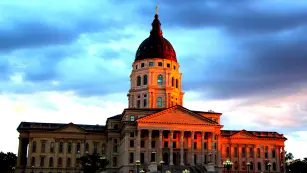 This week, liberal Gov. Laura Kelly of Kansas
 Most people agree on what seems to be a pretty basic fact: the same dollar cannot be spent twice. Money is finite. And when government spends a dollar – or several billion – giving welfare to people who shouldn’t receive it, logic follows that those dollars cannot then be spent on something else. Pretty simple, right?
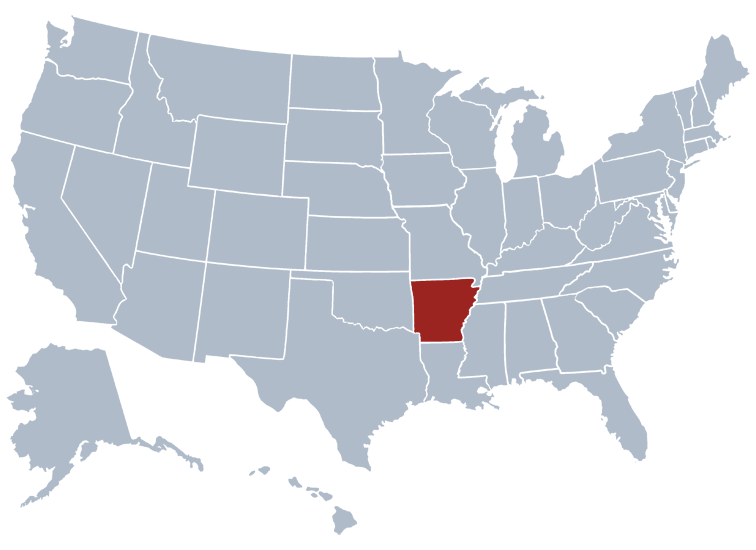
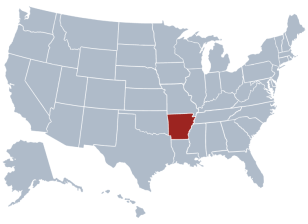 Arkansas made national headlines in 2013 when then-governor Mike Beebe, a Democrat, struck a deal to make Arkansas the first southern state to expand Medicaid through Obamacare. Shortly thereafter, Beebe exited (stage left), leaving a fiscal, political, and
  One of the most significant yet underreported outcomes of ObamaCare is its impact on the truly needy. Before ObamaCare, our country maintained a safety net that was reserved for our neediest neighbors. The Medicaid program, for example, primarily served poor children, seniors, and individuals with disabilities.

 The Echo Chamber