
Medicaid is out of control and unsustainable. Work requirements could help.
It’s not the lead story on the nightly news, and it’s not generating millions of clicks online. It may be one of the most underreported, underappreciated public-policy crises of our time. That’s a terrifying reality because, left unaddressed, this crisis will come at great cost to America’s most vulnerable.
The Medicaid program is at its breaking point. Even before Obamacare lured some states into expanding the program to non-disabled, working-age adults, Medicaid was growing at an alarming rate. Now, in the Obamacare era, the program is growing even faster, siphoning more and more resources away from folks who truly depend on Medicaid for survival.
A new report, released this week by the Foundation for Government Accountability, gives a glimpse of just how serious the problem is.
 The state of Maine has long been on the leading edge of welfare reform. Under Governor Paul LePage, it has reformed its food-stamp program by promoting work, resulting in former enrollees’
 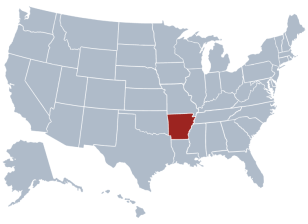 Arkansas made national headlines in 2013 when then-governor Mike Beebe, a Democrat, struck a deal to make Arkansas the first southern state to expand Medicaid through Obamacare. Shortly thereafter, Beebe exited (stage left), leaving a fiscal, political, and
  “We will get our people off of welfare and back to work,” President Trump said in his inaugural address. He continued that theme the next month at CPAC, the Conservative Political Action Conference. “It’s time for all Americans to get off of welfare and get back to work,” he told the crowd. “You’re going to love it, you’re going to love it, you’re going to love it.” And in his address to a joint session of Congress a few days later, the president boldly declared that “millions lifted from welfare to work is not too much to expect.”
 The Echo Chamber